Years ago, I started to imagine myself creating a reading program, but things kept getting in the way. The biggest roadblock for me was fear and uncertainty. I wanted to go back to school and become a reading specialist, but I just didn’t have the time and money at that point in my life. So, I sat with that dream, watching it sit on a shelf like a book I kept meaning to read but never quite picked up. Then one day, I remembered something my mom told me when I was a kid and we didn’t have a lot. She said, “If you want something and you can’t afford it, make it yourself.” She didn’t just say those words—she lived them.
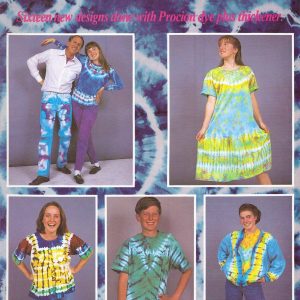
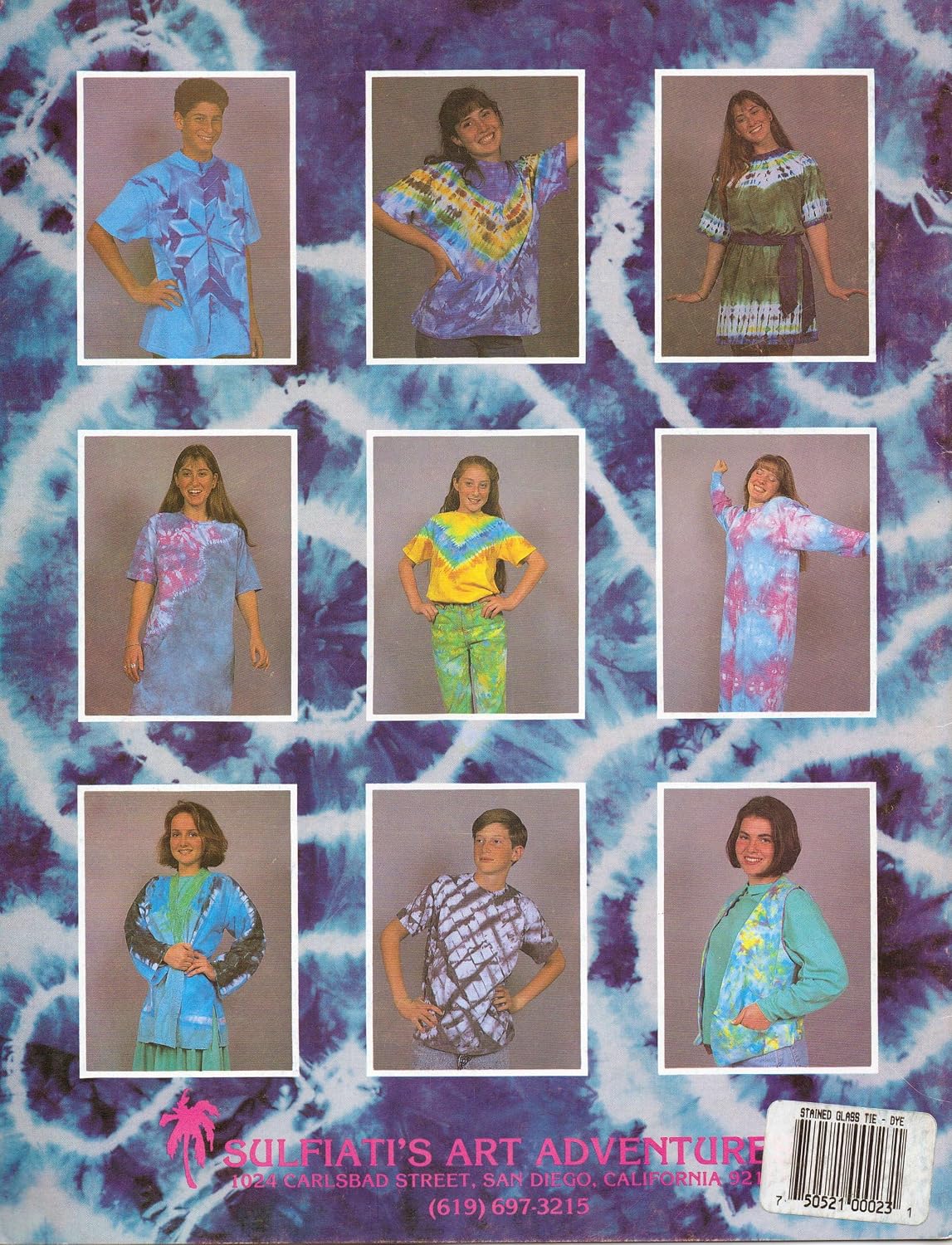
My mom was an art teacher who created a tie-dye kit for some kids at a camp. People loved it. So, she started making more. And more. It took her years to build the business, but it was successful, and she eventually sold it. Her tie-dye kits can still be found in stores like Walmart and Michaels under the brand Tulip (originally Rainbow Rock). When I told her I was starting to work on a reading program, she laughed and pointed out that my program starts with the same four letters as the business she created. RAIN. It felt like a sign.
That conversation with my mom shifted something in me. I realized I didn’t need permission or a specialized degree to start. I had something she had: a problem I wanted to solve and the willingness to do the work
The Problem I Saw Every Day
Over several years of teaching young children, I’ve watched the same pattern repeat itself. Some kids learn to read naturally through exposure to literature and repetition—their brains just seem to light up when they see a word and make the connection. But there are always a few kids who struggle. Nothing clicks. They start to believe that reading is too hard. And once a child believes that, it becomes so much harder to reach them.
I’d tried everything. The whole language method. Sight words. Phonics. Yet I still felt that something was missing. Most reading programs didn’t seem to go far enough to teach students the skills they actually need to read a typical book. There were always gaps—places where children got stuck and frustrated.
The real turning point came when I started researching the history of English spelling. I discovered why English is so difficult to read compared to languages with phonetic alphabets. In most languages, the spoken language and written language develop together, creating a close match between letters and sounds. But English? English has a complicated, almost chaotic history. Foreign monks visiting England in the early medieval period decided to use the Roman alphabet (which had only 23 letters) to write down a language with more than 30 sounds. Different monks in different regions came up with different solutions. Then scribes from foreign countries added their own interpretations. Over time, the language evolved, letters stopped being pronounced, and silent letters became common. By the time modern English settled into its current form, the relationship between letters and sounds had become deeply tangled.
Understanding this history was liberating. It wasn’t that children were incapable—it was that English itself is genuinely complex. But here’s what excited me: if I could identify the most common patterns in how English is spelled, I could create a tool that would help children decode almost any word they encounter.
The Research That Changed Everything
I started by choosing 20 leveled books appropriate for kindergarten through second grade. Then I did something that probably sounds a bit obsessive: I analyzed almost every word in those books. Over 4,000 words. I wanted to find out how each letter or combination of letters was most commonly pronounced.
This kind of systematic analysis is supported by research. A landmark study by the National Reading Panel (2000) found that explicit, systematic phonics instruction significantly improves reading outcomes, particularly for struggling readers. The panel identified phonemic awareness and phonics knowledge as foundational skills that must be directly taught and practiced.
https://www.nichd.nih.gov/sites/default/files/publications/pubs/nrp/Documents/report.pdf
What I was doing aligned with this research—I was taking the guesswork out of phonics and making the patterns visible and learnable.
What came out of my analysis was the Read Carefully Bookmark, a tool I thought of as a “magic magnifying glass” that would help children decode difficult words. And then I made a discovery that surprised me: the words in lower-leveled books are basically the same words found in later levels. The complexity doesn’t change that much phonetically from the easiest to the hardest books. When I tested my bookmark on much harder books—even chapter books for higher elementary and novels that middle school students would read—I discovered that 96% or more of words could be decoded using it.
That’s when I knew I was onto something real.
Almost Twenty Years of Growth
Fast forward to 2026. It’s been over twenty years since I first started creating Rainforest Reading, and what began as a personal mission has evolved into something I never quite imagined when I was sitting with my fear and uncertainty all those years ago.
Six years ago, during the pandemic, I made the decision to bring Rainforest Reading into the digital space. I spent months converting all the printable products into digital tools—games, flashcards, word-building activities, and interactive lessons that children could access from home or school. I knew that so many kids were struggling during lockdowns, losing the reading gains they’d made in physical classrooms. I wanted to make sure that no matter where a child was learning, they could access the same quality instruction and support.
That digital expansion opened up possibilities I hadn’t fully anticipated. Children who are visual learners can now benefit from animated games and colorful digital flashcards. Auditory learners get immediate feedback from the digital tools. Teachers and tutors can track progress in real time. Families learning online can play games together using screen-sharing technology. The speed at which children progress has accelerated—I’ve had students move through levels faster than ever before because they’re engaged, motivated, and getting immediate reinforcement.
The success stories keep rolling in. A second grader who was convinced she couldn’t read is now devouring chapter books. A boy with ADHD who could barely sit still for five minutes now asks his teacher when he can work on Rainforest Reading next. A homeschooling parent told me that her struggling reader went from tears and frustration to genuine excitement about learning. These stories fuel me. They remind me why I started this journey in the first place.
Honoring Both Digital and Physical Learning
But something interesting has happened recently. As we’ve moved further into the digital age, educators and parents have started to recognize the value of stepping back from screens. There’s growing awareness that children need time away from devices—time to move, to touch, to build with their hands. The pendulum is swinging back toward physical books, tactile learning materials, and face-to-face interaction.
I’m grateful that I invested in both approaches. Now, when a teacher or parent comes to Rainforest Reading, they have real choices. If a child needs to reduce screen time, they can work with printed games, flashcards, and the physical stickers that label words in books. If a child is learning remotely or needs the engagement and immediate feedback of digital tools, those are available too. If a child learns best when moving around the classroom with a game board, or sitting quietly in a reading corner with a bookmark, both options are there.
This dual approach has become one of Rainforest Reading’s greatest strengths. It meets children where they are—not where we think they should be. It honors different learning styles, different family circumstances, and different needs. Some weeks a child might use mostly digital tools; other weeks they might prefer the tactile experience of physical materials. Both are valid. Both work.
Looking Forward
As I reflect on this journey, I’m struck by how far I’ve come. What started as a personal dream born from fear and uncertainty has become a resource that’s helped hundreds of children fall in love with reading. The program has been refined through countless hours of observation, research, and real classroom experience. It’s been tested and retested. It works.
But more than that, Rainforest Reading represents something I believe deeply in: that every child can learn to read. Not some children. Every child. It just takes the right approach, the right support, and the belief that they can do it.
Whether a child is working with a physical bookmark and stickers in a quiet classroom in Costa Rica, playing a digital game on a tablet at home, or building words with picture tiles on a game board with their teacher, they’re learning the same 96 spelling patterns that will unlock 96% of the words in any book. They’re discovering that reading isn’t magic—it’s patterns, and patterns can be learned.
If you have a child who is struggling to read, or if you want to help that student who has given up and avoids reading, I want you to know: you’ve come to the right place. Rainforest Reading is here for you, in whatever form works best for your child’s learning journey. And I’m honored to be part of that journey with you.